

Oaxaca Altitude Riding 1,500 to 3,200 m: How to Adapt Without Losing Power in the Sierra Norte
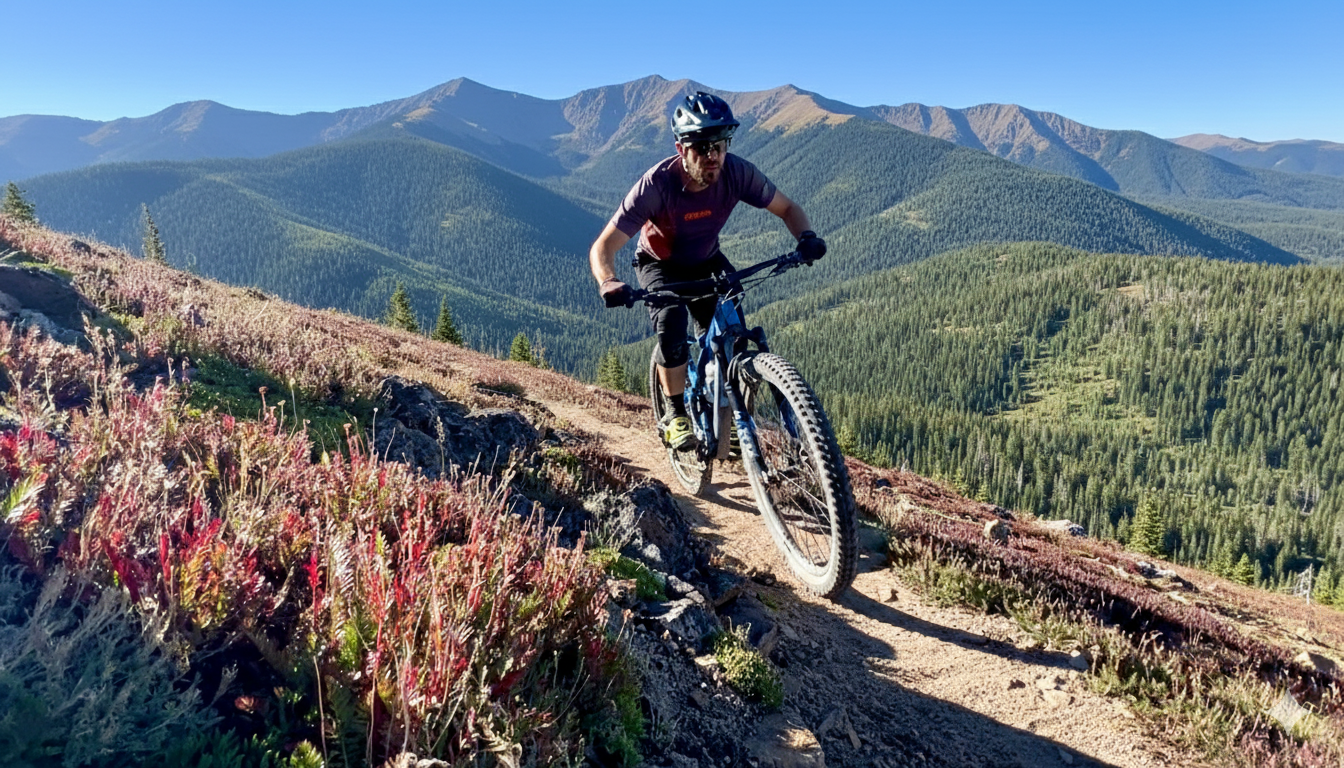
Where you are actually riding: 1,555 to 3,200 m
Most city rollouts start around 1,550 to 1,560 m. Popular high country trailheads in the Sierra Norte sit between about 2,400 and 3,200 m, with villages like Cuajimoloyas near 3,200 m and La Cumbre Ixtepeji commonly above 2,900 m. That jump, up to about 1,600 m of elevation relative to town, changes physiology and pacing even for fit riders.
What altitude does to your engine
As you go higher, the partial pressure of oxygen drops, so your body cannot move as much oxygen per breath or per heartbeat. Laboratory and field studies repeatedly show that aerobic capacity falls by roughly 6 to 8 percent per 1,000 m of ascent starting near 1,600 m. Translation: a climb that feels like tempo in the valley can feel like threshold at 2,800 to 3,000 m. Maximum heart rate also trends slightly lower at altitude, so sea level heart rate targets can mislead. Ride by breathing and the talk test, not by ego.
First 24 to 48 hours: simple and legal acclimatization wins
If you just arrived from near sea level, keep day one easy in the valley and sleep low if possible. On day two, step up to mid altitude terrain but cap efforts: steady climbs, smooth cadence, no chasing segments. Eat normally, minimize alcohol for the first 48 hours, and hydrate enough to keep urine pale straw. You are not out of shape; your red blood cell mass and ventilatory control simply need time to calibrate.
Pacing that works from 1,500 to 3,000 m
Use breathing as your governor. At 2,800 to 3,200 m, conversational pace will be slower than you expect. Accept it. Spin a lighter gear to keep legs oxygen efficient. If your breathing becomes ragged and talking drops to single words, back off for two minutes and let your system catch up. On longer fire road grinds, think quiet upper body and round circles, and avoid repeated high power surges that spike oxygen demand and create a hole you cannot climb out of.
Fuel and fluids without gimmicks
High altitude nudges you toward mouth breathing and drier air losses. You will dehydrate faster and appetite may dip. Aim for 500 to 750 ml per hour, sipped regularly, plus sodium in a range most riders tolerate well. Keep carbohydrates steady, about 20 to 30 g every 20 to 30 minutes on rides over 90 minutes. Real food works: tortillas with honey or jam, bananas, dates. If your stomach feels sloshy, ease volume for ten minutes, cool down, and keep electrolytes trickling in.

Atzompa Sunset from $800 MXN. Experience the magic of Oaxaca on two wheels.
A ride designed around you. We climb the hill, breathe fresh air, and watch the valley shift colors right before night falls.
Level: Beginner +
Includes: Pickup from the door of your hotel or Airbnb, bike, helmet, and hydration.
The plan: Enjoy the sunset and valley views from the top of Cerro Atzompa. Get ready for something memorable 🙂
 Contact me on WhatsApp
Book via WhatsApp. Fast replies, zero drama, and yes: the sunset really is that beautiful.
A quick field test to set expectations
On your first high altitude day, pick a steady 10 to 12 minute climb and ride it at a strong but talkable pace. Note average heart rate and perceived exertion. On the next valley day, repeat a similar duration effort at the same perceived effort. The high country number will likely be lower in beats per minute yet feel harder. Use that gap to set your week: high country equals skill and flow days; the valley equals fitness work and intervals.
Week template for visiting riders
Day 1 (arrival): easy spin in the valley at about 1,550 m; drills, braking practice, and cornering. Day 2: mid altitude ride, about 2,300 to 2,600 m; steady climbs and no deep efforts. Day 3: Sierra Norte sampler, about 2,800 to 3,100 m; skill focus on traction, roots, and sight lines. Day 4: valley recovery or a short skills loop. Day 5: longer high country ride if you felt good on day 3; otherwise another mid altitude loop. Day 6 to 7: alternate valley intensity and high country flow depending on how you are adapting.
Skills that pay off at 3,000 m
Keep traction by weighting the front tire through corners while staying loose at the ankles. Cloud forest loam can hide slick roots under the duff. Brake early, release before the apex, and let the bike roll. Hovering on the levers wastes oxygen. On climbs, keep elbows in and chest open; it improves ventilation without burning upper body energy.
Red flags: when to pull the plug
Persistent headache, nausea, dizziness that does not resolve with rest, or unusual breathlessness at easy pace are stop signs. Descend, hydrate, and rest. Do not try to push through altitude. That is how a good trip turns bad. The mountains will still be there tomorrow.
Bottom line
Oaxaca’s altitude is not a barrier; it is a parameter. Ride to the environment. Accept slower absolute speeds up high, protect your breathing, and fuel on schedule. If you do that, the jump from valley singletrack to the Sierra Norte’s 3,000 meter ridgelines feels like opening a new chapter in your life rather than hitting a wall. If you’re ready to hit the high roads, contact me here to explore possible routes. See you soon!
