

MTB Techniques FAQ for Oaxaca: Body Position, Braking, Cornering, Climbing, Descending, and Line Choice
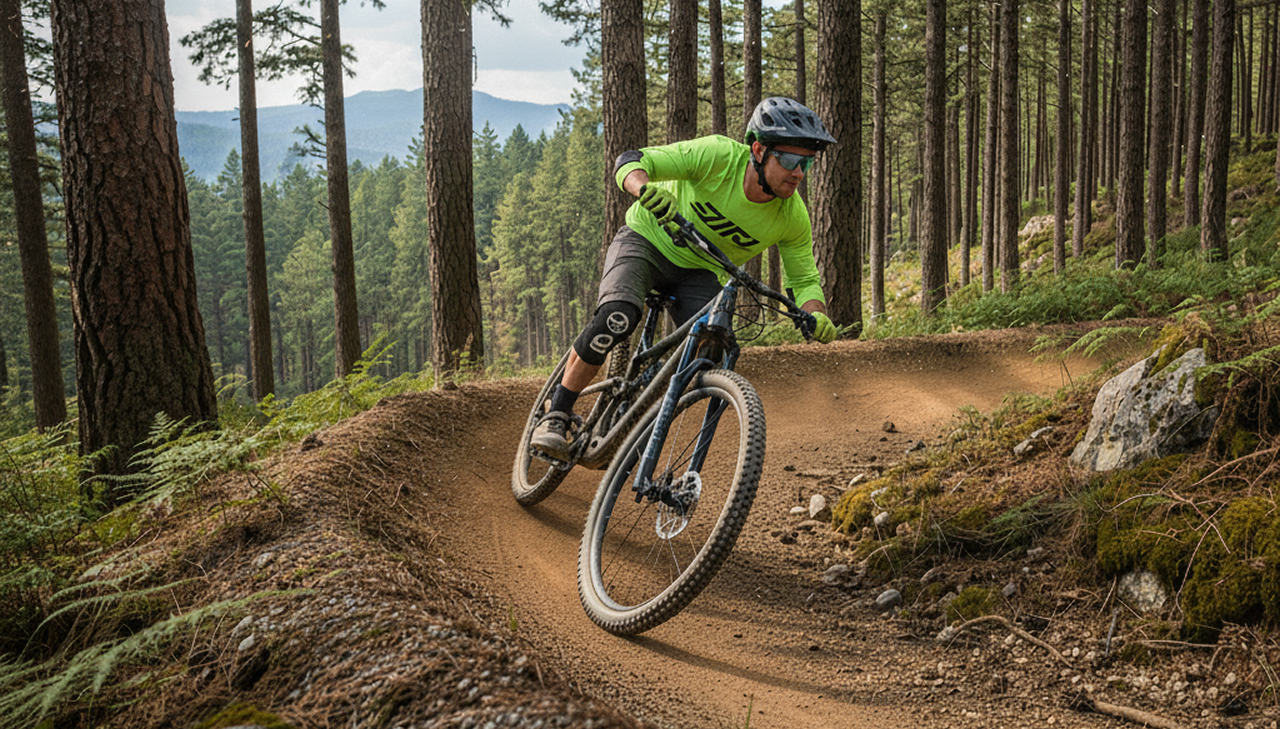
What is the correct body position for control on rough or steep terrain
Use a balanced ready stance. Stand with pedals level, heels slightly down, knees and elbows soft, and hips free to move. Keep your chest low to lower the center of gravity, and keep light hands with heavy feet so the bike can dance under you. Vision leads action. Look five to ten meters ahead, scan for shapes and textures, and aim your shoulders where you plan to exit. If you stare at the rock, you will hit the rock. If you scan the smooth line, your body will organize around that path. Practice on mellow trails until this posture feels automatic.
How do I brake hard without skidding or going over the bars
Braking is a dance, not a panic grab. Cover both levers with your index fingers. Shift your hips back slightly and drop your heels to anchor weight into the pedals. Do most of your slowing before corners and rock features, then release to let the tires roll and find grip. Modulate pressure rather than locking a wheel. On long descents, feather the brakes to control heat in the rotors. If the front tire starts to push in dust, ease off the front just a touch and let the rear track straight. In wet season treat painted roots and polished rock as ice. Brake before them, not on them, and coast across with a quiet upper body.
How can I corner faster with confidence and fewer slides
Slow the entry, look through the turn, and build speed on the exit. Set up wide, point your belly button where you want to finish, and lean the bike more than your body. Drop the outside pedal and load it to press the tire into the ground. On a berm, pump the banked surface like a wave. On a flat corner keep the bars neutral, keep your torso low, and make micro corrections rather than big inputs. Dust demands patience. Wet loam rewards gentle hands and steady throttle. If the front chatters, you are tense. Breathe, soften your elbows, and try again.
What is smart climbing technique at altitude in Oaxaca
Shift early while the chain is happy. Sit to keep the rear tire planted. Slide slightly forward on the saddle to keep the front end down. Keep cadence round rather than mashing. Thin air trims top end power, so pace efforts and breathe rhythmically. On steep steps a short stand can clear the obstacle, then return to seated to regain traction. Use corners to recover. If you wheeze, back off for one minute and reset. Climbing here is patient work. The descent will repay the discipline.

Atzompa Sunset from $800 MXN. Experience the magic of Oaxaca on two wheels.
A ride designed around you. We climb the hill, breathe fresh air, and watch the valley shift colors right before night falls.
Level: Beginner +
Includes: Pickup from the door of your hotel or Airbnb, bike, helmet, and hydration.
The plan: Enjoy the sunset and valley views from the top of Cerro Atzompa. Get ready for something memorable 🙂
 Contact me on WhatsApp
Book via WhatsApp. Fast replies, zero drama, and yes: the sunset really is that beautiful.
How should I choose lines in rock gardens and root webs
Scan early and decide once. Look for the smoothest safe path, not the most heroic. Momentum carried with control helps you skip across edges that would stall a slow wheel. Unweight the front slightly just before the biggest hit, then let the suspension and tires do their job. Time your pedals so they are level over obstacles to avoid strikes. If the section feels chaotic, stop and study. Walk it, memorize two or three reference points, then session it in small bites. Precision saves rims and energy over the course of a long day.
How do I handle drops and small jumps safely as I progress
Start with shape and speed you can manage. Roll the feature first to learn the geometry. For drops, compress slightly before the lip, stay centered, and level the bike in the air. Land with bent knees and elbows and pedals level, then resume braking or pedaling as needed. For tabletops, aim for a straight approach, constant speed, and no last second brake taps. Add speed only when your form stays quiet. Watch a clean rider, visualize, then commit. Two clean repetitions are worth more than ten sloppy attempts.
What adjustments help in rainy season and in ultra loose dust
In rain lower tire pressure by a small amount, open your body, and plan braking zones earlier. Keep the bike upright over roots and rocks by reducing lean and relying more on body angulation. Choose lines that avoid clay pockets and standing water. In loose dust keep inputs smooth, weight the front enough to steer, and let the rear drift in a controlled way. Vision far ahead gives you time to adjust. Calm riders find traction others miss because they do less and do it earlier.
How should I practice to make these skills stick for Oaxaca terrain
Session, then synthesize. Pick a short segment that isolates one skill. Practice five clean repetitions. Change direction and repeat. Record a quick video to check posture and timing. Next ride, link that skill into a longer loop. Alternate easy valley days for drills with forest days for application. Ride with a group that communicates lines and stopping points. Ask for one cue at a time. Small gains, repeated, become automatic behaviors that carry through every trail you ride.
