

Traveling Safely in Oaxaca: What You Need to Know Before the Adventure
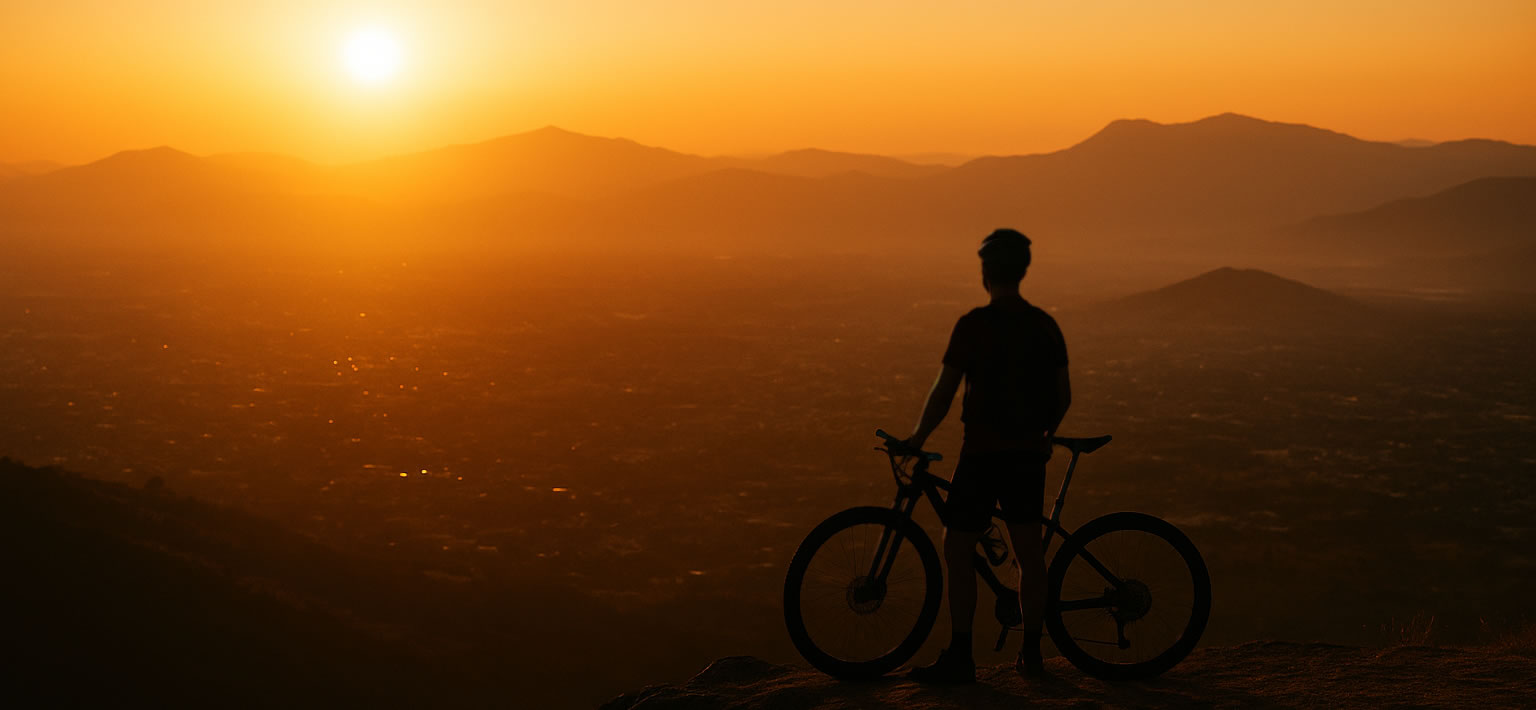
Visiting Oaxaca promises culture, vibrant landscapes, and world-class trails—but understanding the essentials of safety, equipment, and cultural respect can turn a good trip into an unforgettable one. Whether you plan to explore the high desert, cloud forests, artisan villages, or archaeological wonders, preparation matters more than ever.
First: Oaxaca is widely considered one of the safer Mexican states. It has largely avoided the cartel violence affecting other regions. That said, petty street crime and theft, in or near the city, still occur. Reports of grab‑and‑run phone snatchings in transit or during twilight hours are not unheard of. The rule of thumb? Stay vigilant, travel in daylight if you’re unfamiliar with an area, and rely on trusted taxi services after sunset.
When you head into rural areas or trails, especially early in the morning, start on marked paths. Ask locals if the route is safe, and avoid riding at night even well-traveled roads can become hazardous after dark. Travelers on cycling and adventure forums strongly advise against solo outings in unfamiliar terrain.
Reliable travel insurance is essential. Many experienced riders and travelers suggest purchasing a plan covering adventure sports, medical evacuation, and even theft. If something does go wrong, the financial and personal peace of mind is invaluable.
Equipment & Preparation
Even if you’re not biking, gear choices still matter. The terrain across the valleys, ridgelines, and sierras of Oaxaca ranges from rocky singletrack to loose dirt roads. Proper footwear, wearable layers for altitude changes, and hydration gear are non-negotiable.
Depending on your adventure, basic protective gear, like gloves, knee pads, or a helmet, can make all the difference. Resources for mountain biking in Oaxaca emphasize the value of safety first choices, particularly when descending steep or technical terrain.
As for navigation, offline mapping tools or a local guide can be your greatest asset. Rural roads may not be signposted, and cellular reception can drop off quickly. Sharing your itinerary with someone back home or with a trusted local adds a layer of accountability.
Respecting Local Culture & Environment
Oaxaca thrives on its cultural diversity: indigenous communities, Zapotec and Mixtec traditions, artisan markets, and family-run farms shape daily life. When visiting pueblos or religious sites, observe respectfully. Ask permission before taking photos, avoid loud behavior, and participate in a way that honors the locals’ rhythms.
Leave no trace: pack out your waste, stick to established trails, and avoid disturbing wildlife or crops. Communities across the state are deeply connected to the land. Traveling with respect preserves both the environment and the human warmth that make Oaxaca special.
The On-Road Risks
If you drive or hitch rides between villages, avoid secondary roads after dark. Rural roads may have unmarked potholes, sharp curves, or livestock crossings. According to official travel advisories, use well-maintained highways and toll roads where possible, and avoid long-distance travel on isolated roads at night.
Vehicles may be vulnerable—even in cities. Don’t leave valuables visible in your car, and use confirmed taxi services (e.g. Didi or radio taxis) instead of hailing unknown cars.
When You’re Out Exploring
Avoid obvious distractions, like using your phone in open street areas or walking with flashy tech visible. Street thefts can happen in low-traffic areas after dusk, and opportunistic thieves sometimes operate from motorcycles or quick drives.
If you’re traveling on foot through markets or plazas, especially during festivals, stay alert and use a money purse or minimal valuables with you. Pickpocketing increases in crowded spaces. Observe quietly, shop locally, and avoid drawing attention with expensive gadgets.
Real Stories, Real Preparedness
Travelers in forums regularly affirm that Oaxaca feels safe but those same storytellers emphasize preparation. One wrote, “I’ve never heard of bike theft rings here. But I still lock my bike and avoid night-roads.” Another shared that solo biking trips into unmarked logging roads felt risky without local advice. The takeaway: enjoy the freedom, but honor the unknown.
It’s easy to fall in love with Oaxaca and assume everything will go smoothly but nature can surprise, weather can shift, and roads can change. Prioritize your wellbeing, respect the place, and you’ll come away with stories, not regrets.
If you want to explore Oaxaca safely, discover its hidden valleys, sacred sites, artisan towns and untrodden communities please contact Luis here and start planning your adventure with confidence.
